
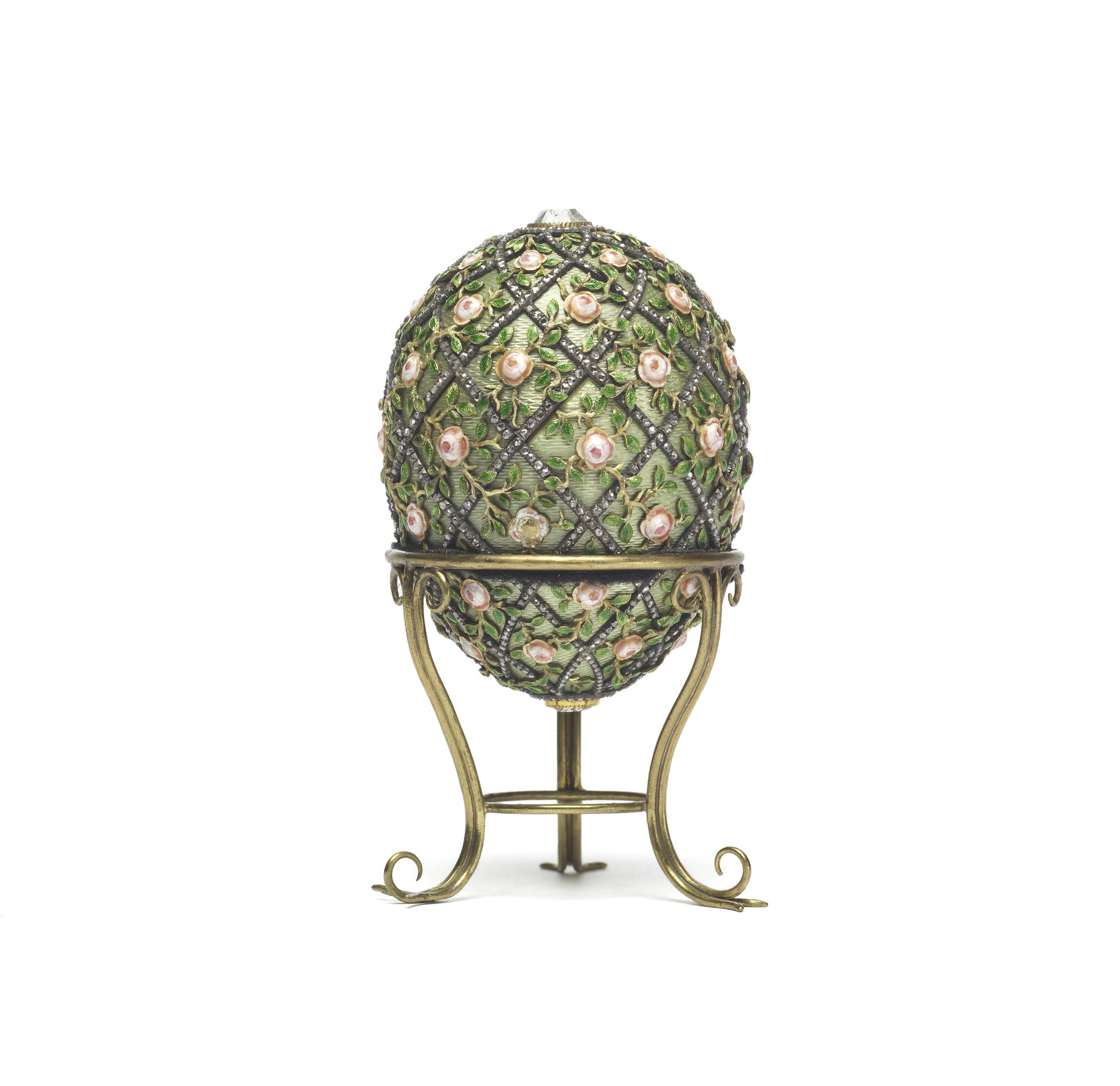
Jewellery is often seen as an object of beauty, emotion, or status. Less immediately obvious is the idea that it can also represent a form of investment. Yet the notion of investing in jewellery has existed for a long time, albeit often implicitly.
Those who begin to explore investing in jewellery quickly realise that the concept does not lend itself to a simple definition. Unlike more traditional forms of investing, value here is not determined solely by numbers or returns. It emerges from a subtle interplay of material, craftsmanship, origin, and time.
Investing in jewellery therefore requires a different way of looking: less focused on speed, and more on understanding.

What determines value when investing in jewellery?
The value of a piece of jewellery is layered.
First, there are the tangible elements: precious metals, gemstones, and their quality. These form a foundation, but rarely the full story. Two seemingly similar pieces can differ significantly in value.
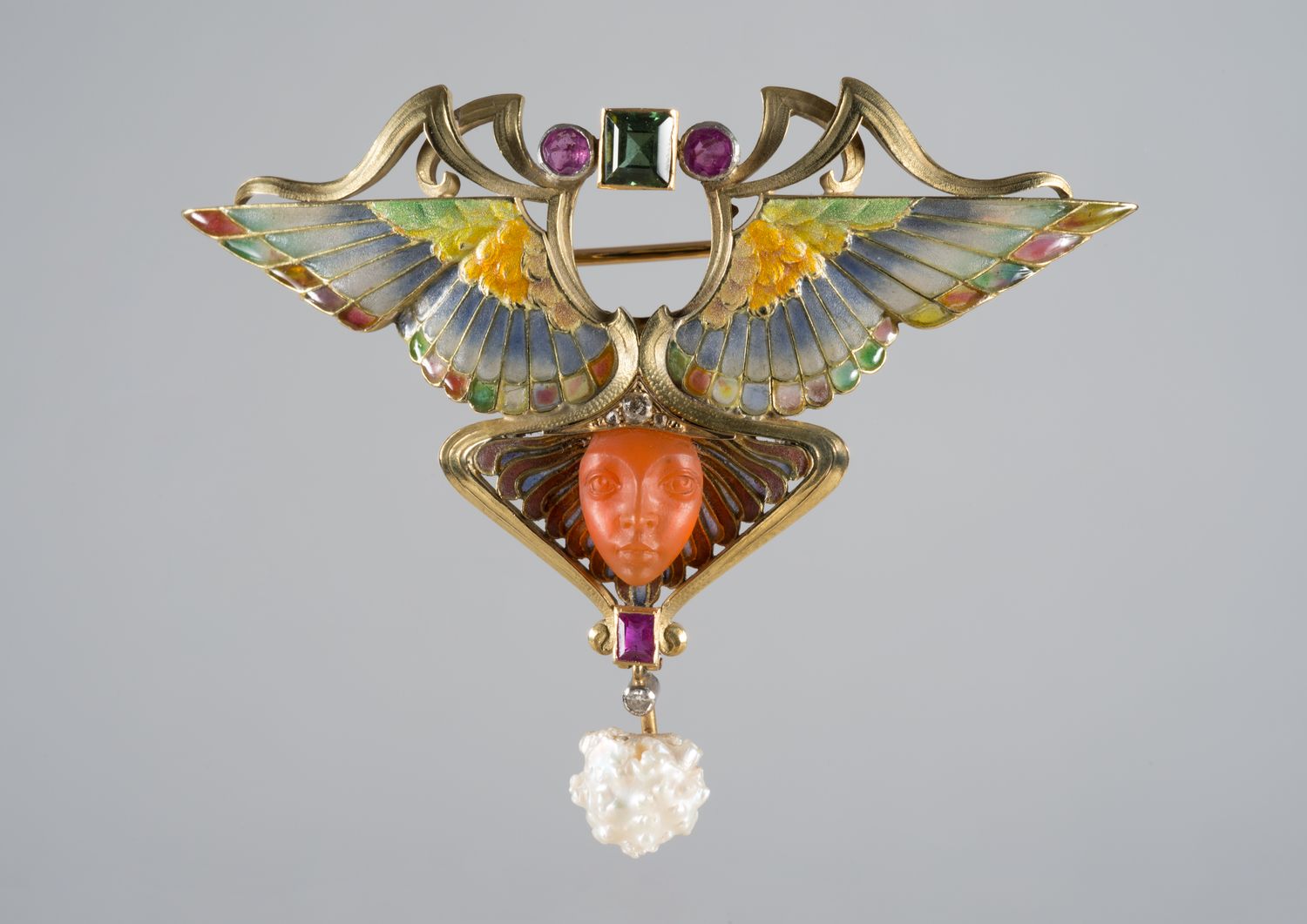
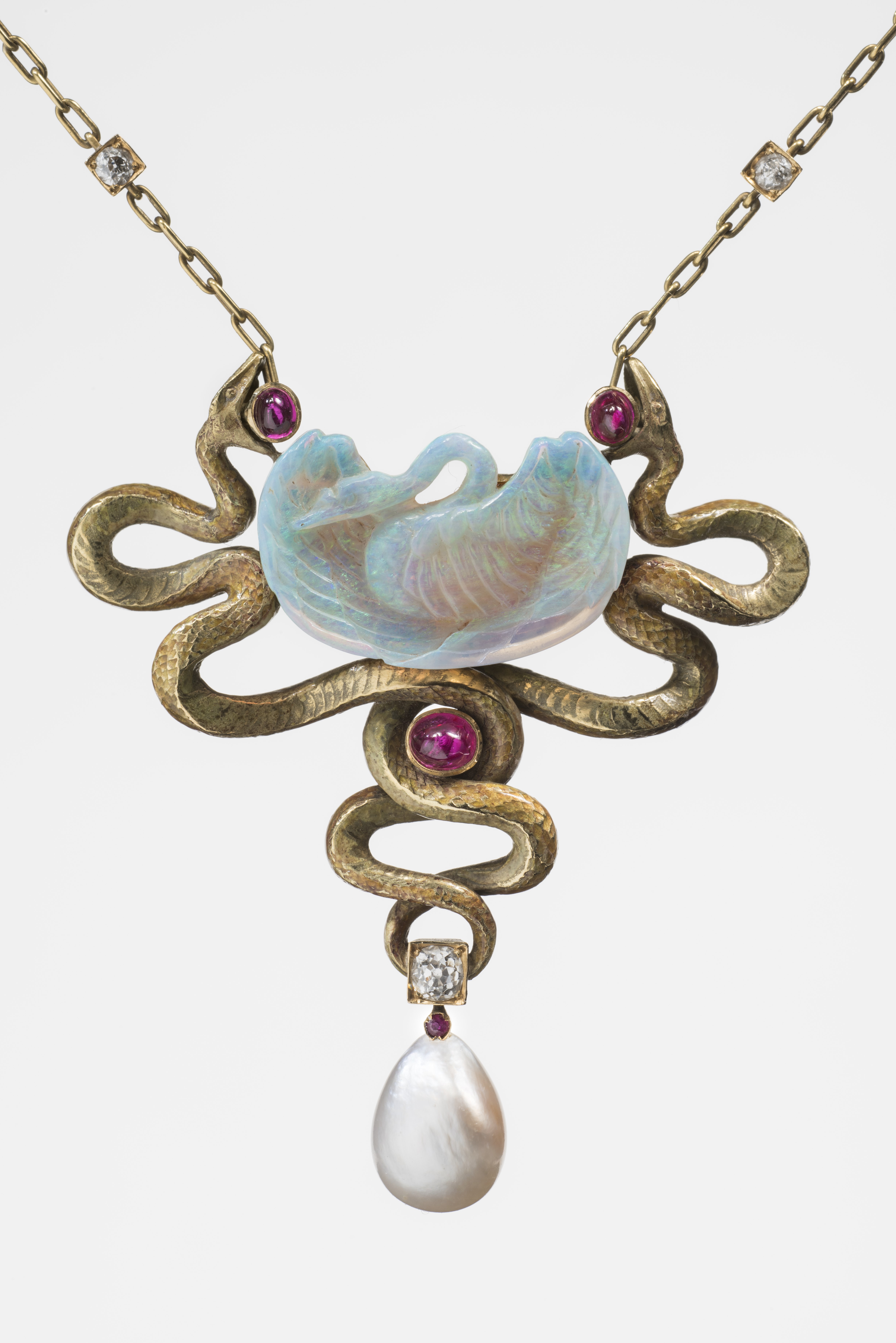
Beyond this lies the level of design and execution. Proportions, finishing, and technique play a role that may not always be immediately articulated, but is nevertheless recognised.
Finally, there is context. Origin, period, and sometimes even the story surrounding a piece influence how it is perceived, and therefore how it is valued.
To invest in jewellery is to move not within a single scale, but across multiple layers at once.

Time as a quiet force
Where many investments are oriented towards the shorter term, the value of jewellery often unfolds gradually.
Trends come and go, yet certain forms, techniques, and styles retain their appeal. In this sense, time is not merely a risk, but a filter. What endures distinguishes itself from what fades.
This does not mean that every piece will increase in value. It does mean that patience is an essential part of investing in jewellery.

Use and preservation
A distinctive aspect of jewellery is that it can be worn without diminishing its meaning. If anything, the opposite is true.
Jewellery, perhaps more than most objects, comes alive only when worn. Pieces kept solely for their potential future value remain incomplete. The meaning of jewellery unfolds in movement, in daily life, and in the quiet interaction between object and wearer.
Use may leave traces, yet it is often within those traces that character emerges. At the same time, care remains essential: maintenance, storage, and mindful wear all contribute to preserving quality.
Investing in jewellery thus exists at the intersection of use and preservation

Knowledge as a foundation
Approaching jewellery as an investment is not possible without knowledge.
This does not require complete understanding from the outset, but it does call for attention and curiosity. Recognising quality, understanding proportion, and learning to see detail form a foundation that develops over time.
In this sense, investing in jewellery is not purely a financial activity, but also a process of learning how to look.
A different perspective on investing in jewellery
Perhaps the most fundamental distinction is that jewellery resists a strictly economic interpretation.
It may hold value, but it also carries meaning that cannot be reduced to numbers. This makes it less predictable, but also richer in potential.
Investing in jewellery therefore requires not only resources, but a certain sensitivity: to form, to context, and to what cannot be measured directly.
In closing
Those who begin investing in jewellery enter a field in which value cannot be reduced to a single dimension.
It is a world where time, knowledge, and attention converge. Where beauty and investment do not stand in opposition, but rather reinforce one another.
And where the most enduring form of value may lie not only in what a piece yields, but in what it continues to mean over time.


Leave a Reply