

Jewellery rarely begins with what we see. Before form takes shape or light is reflected, there is a material choice that defines what a piece can become. The materials in jewellery shape far more than appearance alone. They influence how a piece responds to light, how it feels when worn, how it changes over time. To understand jewellery more fully is, in part, to understand the materials from which it is made.
For those beginning to explore jewellery more closely, gaining a basic understanding of materials offers a foundation that can deepen appreciation and guide more informed choices.

Gold: a material that adapts
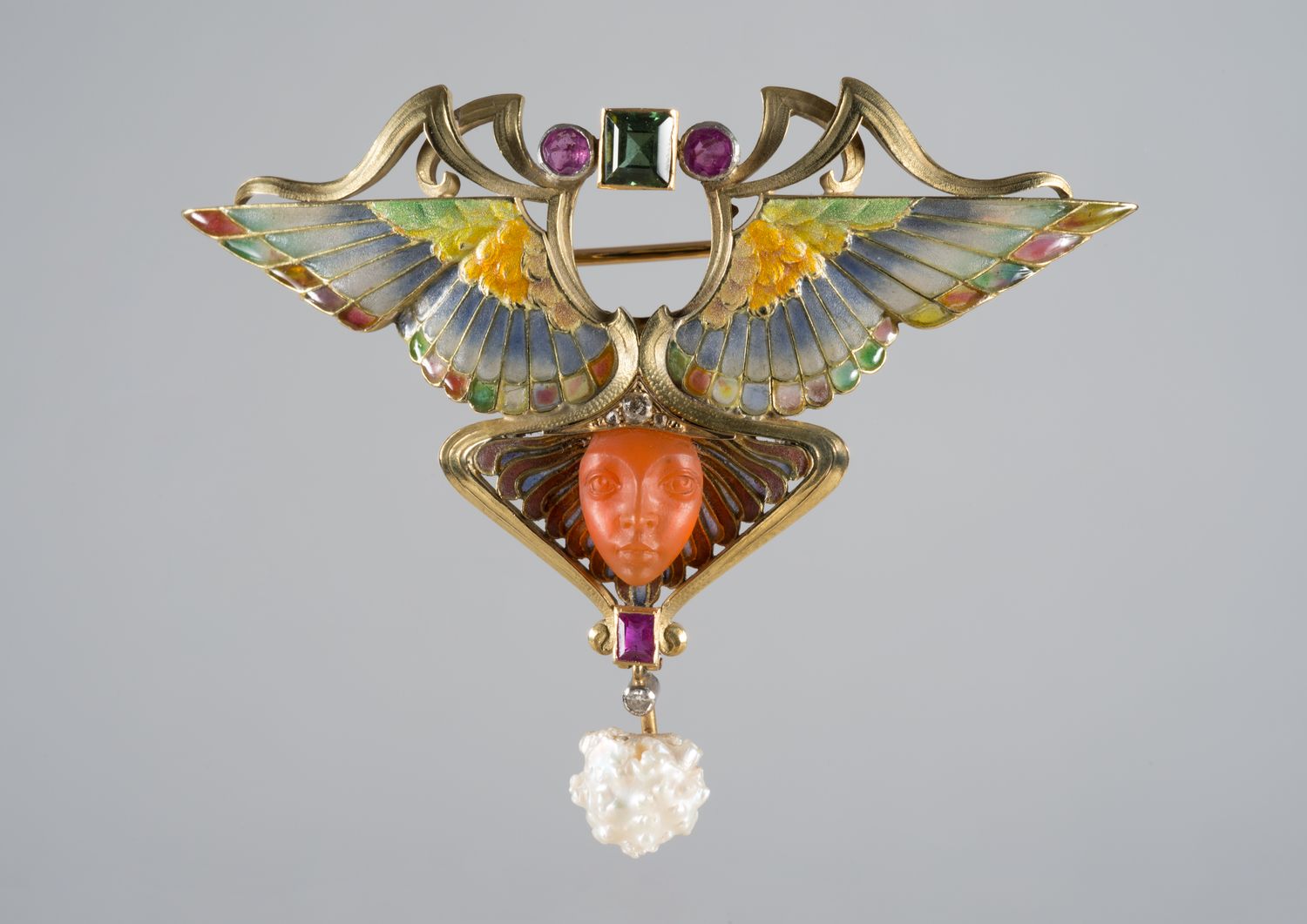
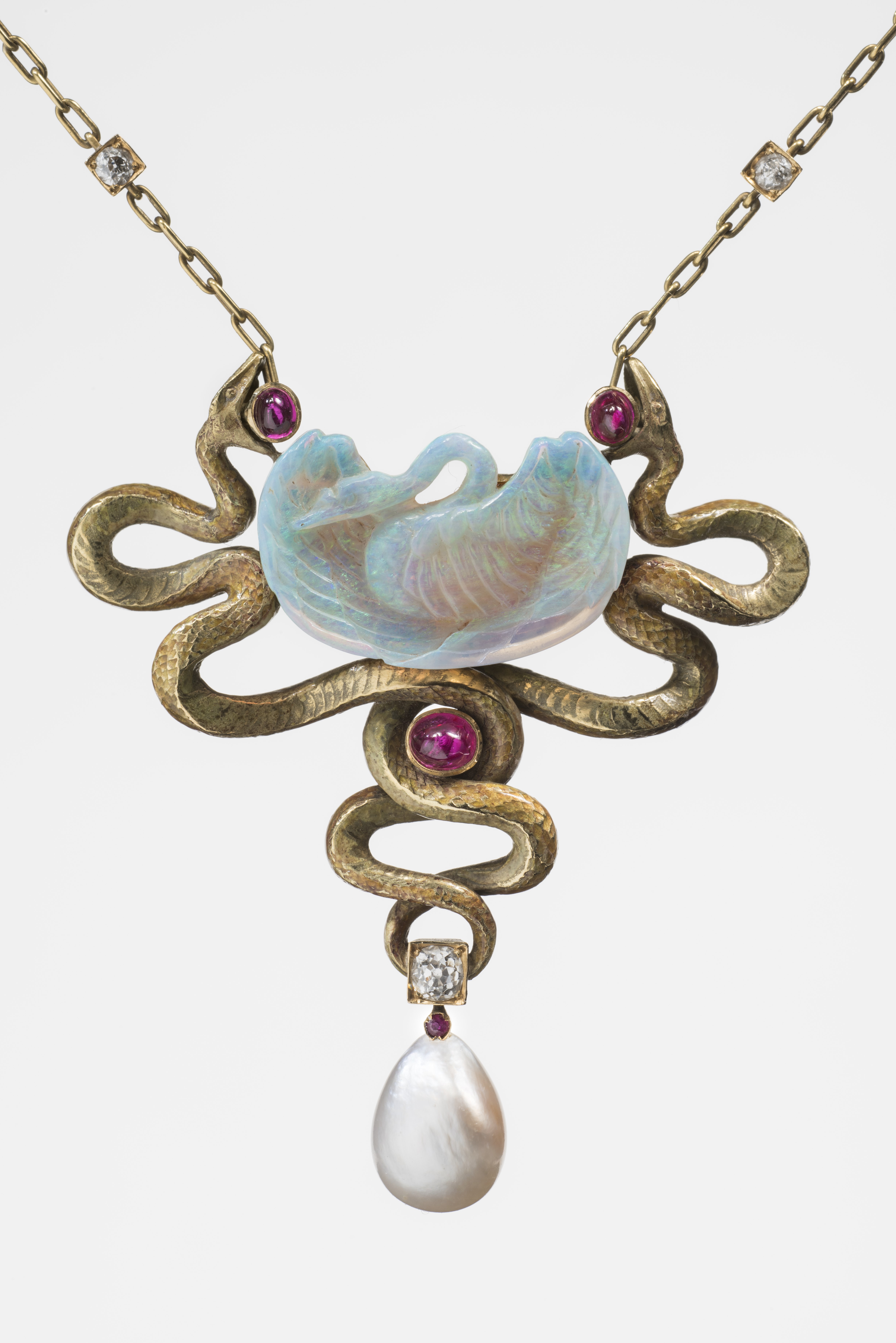
Few materials are as closely associated with jewellery as gold. Its presence spans cultures and centuries, yet it never appears in a single fixed form.
Pure gold is soft, almost unexpectedly so. This softness allows it to be shaped with precision, but also requires it to be combined with other metals to create strength. Through this process, gold becomes not one material, but many variations of itself.
Differences in composition give rise to subtle shifts in colour and character. Yellow gold retains a sense of continuity with tradition, while white and rose gold introduce variations that feel more contemporary. In each case, the material adapts, responding to both practical needs and aesthetic choices.

Silver: light and change
Silver presents itself differently. Where gold carries warmth, silver reflects light with a cooler clarity.
It is a material that feels immediate, almost direct in its brightness. At the same time, it is more responsive to its surroundings. Exposure to air gradually alters its surface, softening its shine into a muted tone.
This tendency to change is often seen as something to manage or prevent. Yet it can also be understood as part of the material’s nature. Silver does not remain entirely fixed. It records time in a way that is visible, though subtle.

Platinum: presence without emphasis
Platinum is encountered less frequently, but once recognised, it is difficult to overlook.
It does not rely on colour in the same way as gold or silver. Its tone is quiet, almost restrained, yet its physical presence is substantial. Heavier, denser, and more resistant to wear, it offers a sense of stability that becomes apparent over time.
Rather than changing, platinum tends to remain. Its surface may develop a soft patina, but it does not lose its essential character. This makes it particularly suited to pieces that are worn daily, where durability becomes part of their meaning.

Gemstones: material as variation
If metals provide structure, gemstones introduce variation.
No two stones are entirely identical. Differences in colour, clarity, and internal structure create a range that extends far beyond simple classification. Even within a single type of stone, subtle distinctions can alter how it interacts with light.
Gemstones shift the focus from form to perception. They draw attention not only to what a piece is, but also to how it is seen. Light enters, reflects, and returns in ways that are never entirely predictable.
In this sense, gemstones bring a certain openness to jewellery. They resist complete uniformity, and in doing so, give each piece a more individual presence.
Material as a starting point for deeper understanding
To look at jewellery through its materials is to shift perspective slightly. What first appears as a finished object becomes something more layered.
Gold, silver, platinum, and gemstones each carry their own logic. They respond differently to use, to time, and to the environment in which they exist. Recognising these differences does not require technical expertise, only attention.
From this starting point, further exploration becomes possible. Each material holds its own depth, waiting to be understood more closely.


Leave a Reply