
Jewellery is often understood through acquisition. Pieces are chosen, given, collected. Yet what follows after that moment of acquisition is equally defining. The way jewellery is cared for, worn, and stored over time shapes not only its physical condition, but also its presence.
Caring for jewellery is not a purely technical exercise. It reflects an attitude. Attention, consistency, and a certain restraint matter more than intensity. Well preserved pieces rarely result from occasional intervention, but from quiet, repeated care.

The nature of materials
Every piece of jewellery is a composition of materials, each responding differently to time and environment. Gold remains relatively stable, yet can lose its polish through contact. Silver develops a patina, a natural darkening that is often mistaken for damage. Gemstones vary widely, from the resilience of diamonds to the relative softness of opals or emeralds.
Understanding this variation is essential. Jewellery does not age uniformly. It evolves according to how, and how often, it is worn, exposed, and handled.

Wearing as part of caring for jewellery
It may seem counterintuitive, but wearing jewellery can be part of preserving it. Pieces that remain untouched for long periods often require more attention than those that are worn regularly.
Movement prevents stagnation. Natural contact with skin can help maintain certain materials, particularly silver. At the same time, awareness is required. Jewellery should be the last element added before leaving and the first removed upon return. Contact with water, cosmetics, and friction gradually alters surfaces in ways that are not always immediately visible.
Care begins not when something appears worn, but long before that moment.

Cleaning with restraint
Cleaning jewellery is often approached with too much force. In reality, less is often more.
A soft cloth, warm water, and mild soap are sufficient for most pieces. Aggressive cleaning methods can remove more than intended, affecting finishes, settings, and delicate details.
This is particularly true for silver polishing cloths. These specialised cloths, often provided by jewellers, contain compounds designed to remove tarnish. They should not be washed. Their effectiveness depends on what they accumulate over time. A cloth that appears darkened is not worn out, but refined through use.
Cleaning, in this sense, is not about restoring an object to an imagined original state, but about maintaining its balance.

Storage as a quiet discipline
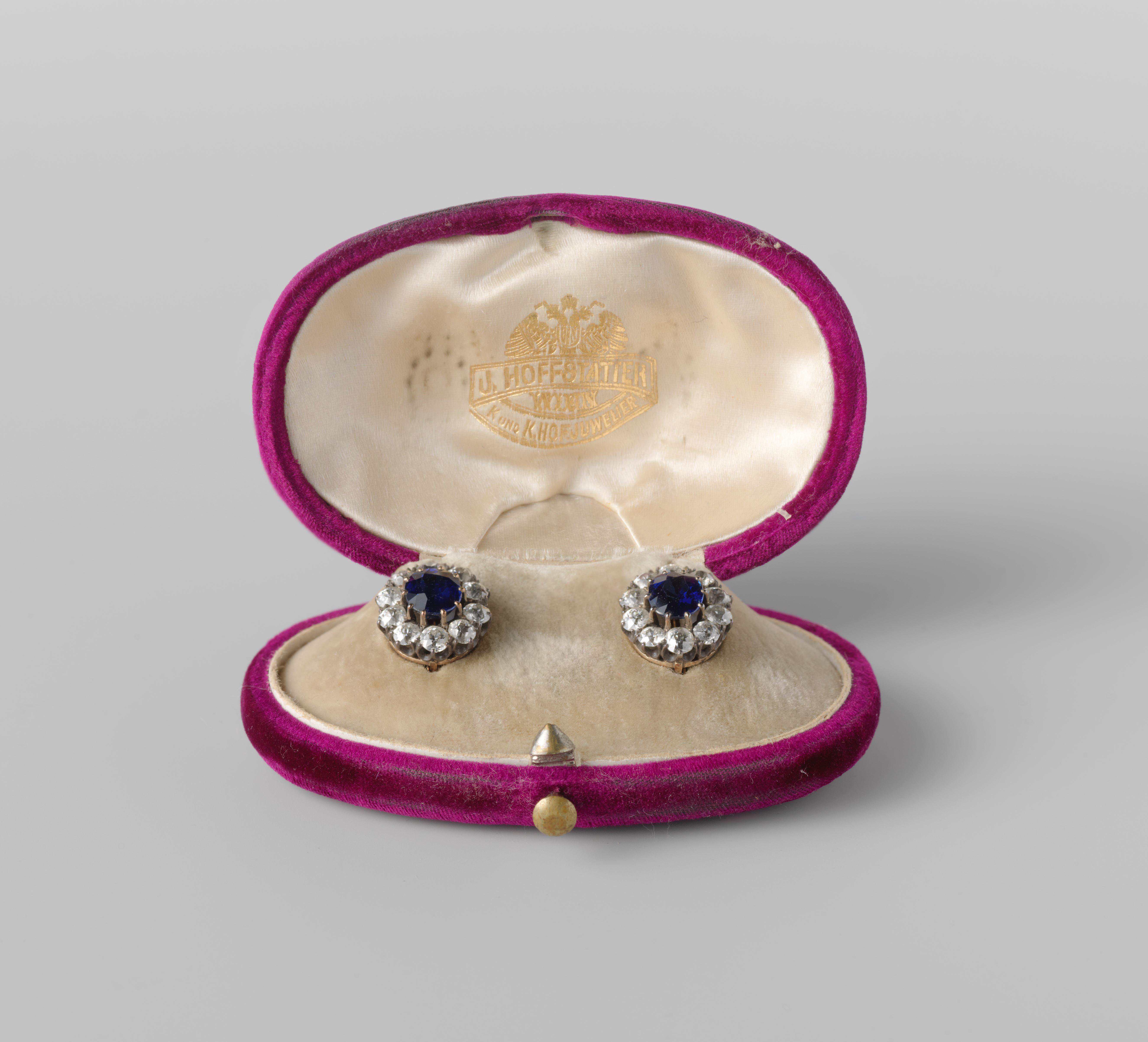
How jewellery is stored matters as much as how it is worn. Pieces placed together without consideration will inevitably interact. Metals scratch. Chains tangle. Stones come into contact with harder surfaces.
Individual storage reduces this friction. Soft pouches, lined compartments, or dedicated boxes create separation without isolation. The goal is not to conceal jewellery, but to allow it to rest without disturbance.
Environmental factors also play a role. Humidity accelerates tarnishing in silver. Excessive dryness can affect certain organic materials. A stable environment, without extremes, supports longevity.
Time as a collaborator
Jewellery changes over time. Surfaces soften. Edges become less defined. A subtle patina may emerge. These changes are often perceived as flaws, yet they can also be understood as part of a piece’s development.
Caring for jewellery does not mean resisting time entirely. It means guiding its effects. Preserving structure while allowing character to form.
A foundation for deeper understanding
Caring for jewellery begins with simple habits. Gentle cleaning. Thoughtful storage. Awareness during wear. These actions may appear minor, yet together they form a framework that supports everything that follows.
More detailed approaches can build on this foundation, such as the care of specific gemstones, the long term preservation of antique pieces and the role of professional maintenance. Each of these areas invites closer examination.
For now, it is enough to recognise that jewellery, like anything of value, asks not only to be chosen, but to be cared for.


Leave a Reply