
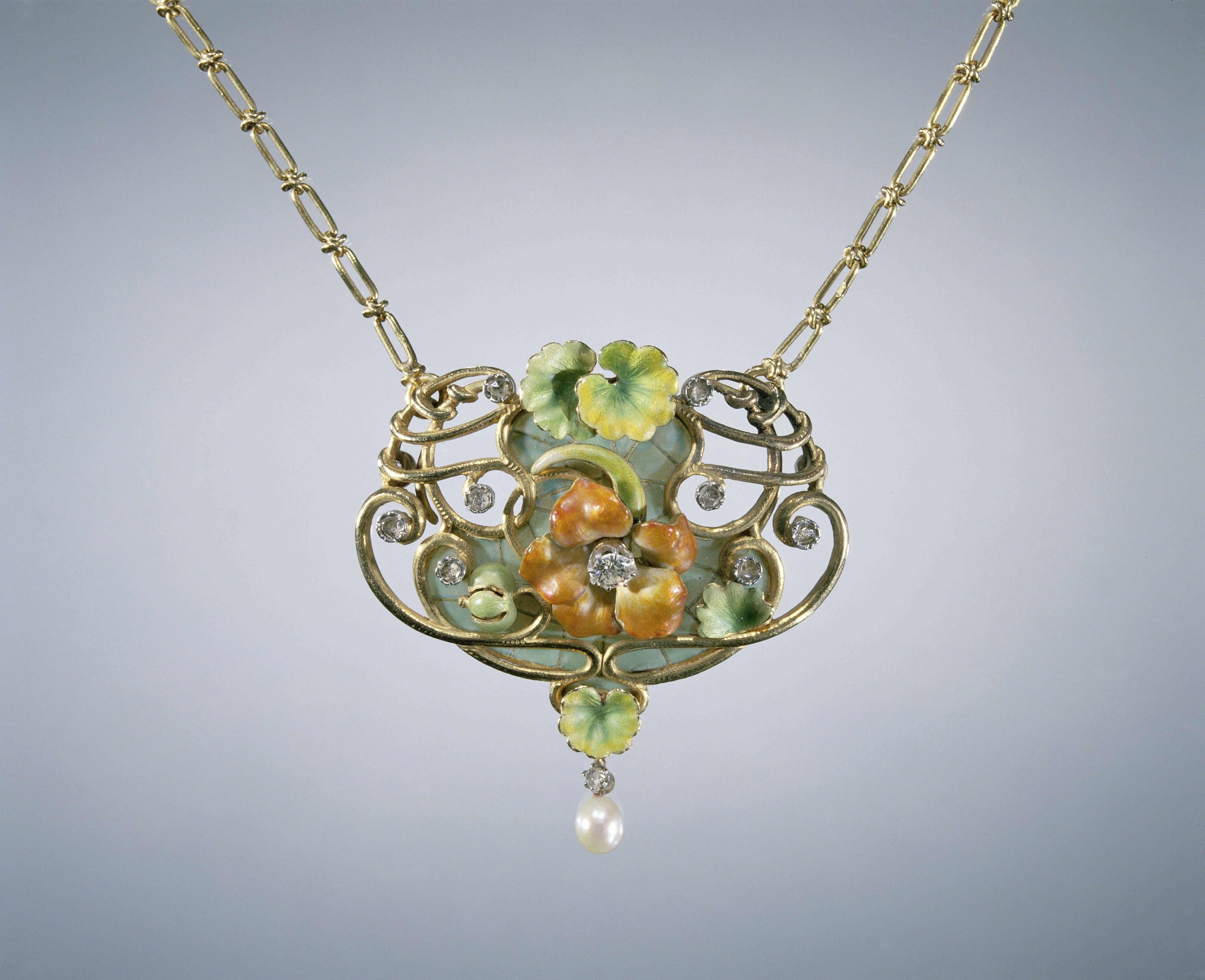
The jewellery design process rarely starts with a finished idea. More often, it begins with something less defined: a reference, a material, a proportion, or even a feeling. A designer might be drawn to the way light moves across a surface, the structure of a historical piece, or the character of a particular gemstone.
At this early stage, jewellery exists only as a direction rather than a form. The idea is not yet fixed, but it already carries intention.
Understanding this first phase is essential, because it shapes everything that follows. Design, in jewellery, is not only about aesthetics. It is about translating an abstract thought into something that can exist in three dimensions.

From idea to sketch
Once an idea begins to take shape, it is translated into a drawing. Initial sketches are often quick and exploratory. They are not meant to be precise, but to test proportions, balance, and composition.
Lines are adjusted, erased, and redrawn. Variations emerge: a setting slightly higher, a band slightly thinner, a stone placed at a different angle. Through this process, the designer begins to define what the piece could become.
These early sketches are rarely seen outside the studio, yet they form the foundation of the entire jewellery design process. They allow the designer to think visually, refining the idea without the constraints of materials or technique.
Refinement and structure
As the design develops, sketches become more deliberate. Proportions are clarified, and technical considerations begin to play a role. How will the stones be set? How will the piece sit on the body? What materials will best support the design?
This phase marks a shift from intuition to structure. The design must now balance creativity with feasibility.
It is here that experience becomes visible. A well-developed design not only looks balanced, but anticipates how it will be made.

The role of gouache drawings in jewellery design
A defining moment in the jewellery design process is the creation of a gouache drawing. Traditionally used by high jewellery houses, gouache renderings translate a sketch into a highly refined, almost lifelike image.
Using opaque watercolor, the specialised artists build depth, light, and texture on paper. Gemstones are rendered with subtle tonal variations, suggesting their brilliance and transparency. Metal surfaces are indicated through controlled highlights and shadow.
A gouache drawing is not simply an illustration. It functions as both a visualisation and a communication tool. It allows clients, ateliers, and craftsmen to understand the design before it is made.
In many cases, the gouache becomes an object in its own right: an artefact that reflects the precision and intention behind the piece.
From drawing to object
Once the design has been finalised, it moves into production. This stage involves multiple disciplines: model making, stone selection, setting, and finishing.
The transition from drawing to object is not always exact. Materials behave differently than paper, and adjustments are often required. Yet a strong design, one that has been carefully developed through each phase, retains its essence.
What began as an abstract idea now exists as a wearable form.

Jewellery design: a foundation for deeper exploration
The jewellery design process offers more than a sequence of steps. It reveals how ideas are shaped, tested, and ultimately realised.
Each phase, idea, sketch, refinement, and gouache drawing, deserves its own deeper exploration. From the techniques used in rendering gemstones to the technical considerations behind settings and structure, each layer adds complexity to the final piece.
Understanding this process allows you to see jewellery differently: not only as a finished object, but as the result of a considered and evolving design journey.


Leave a Reply