
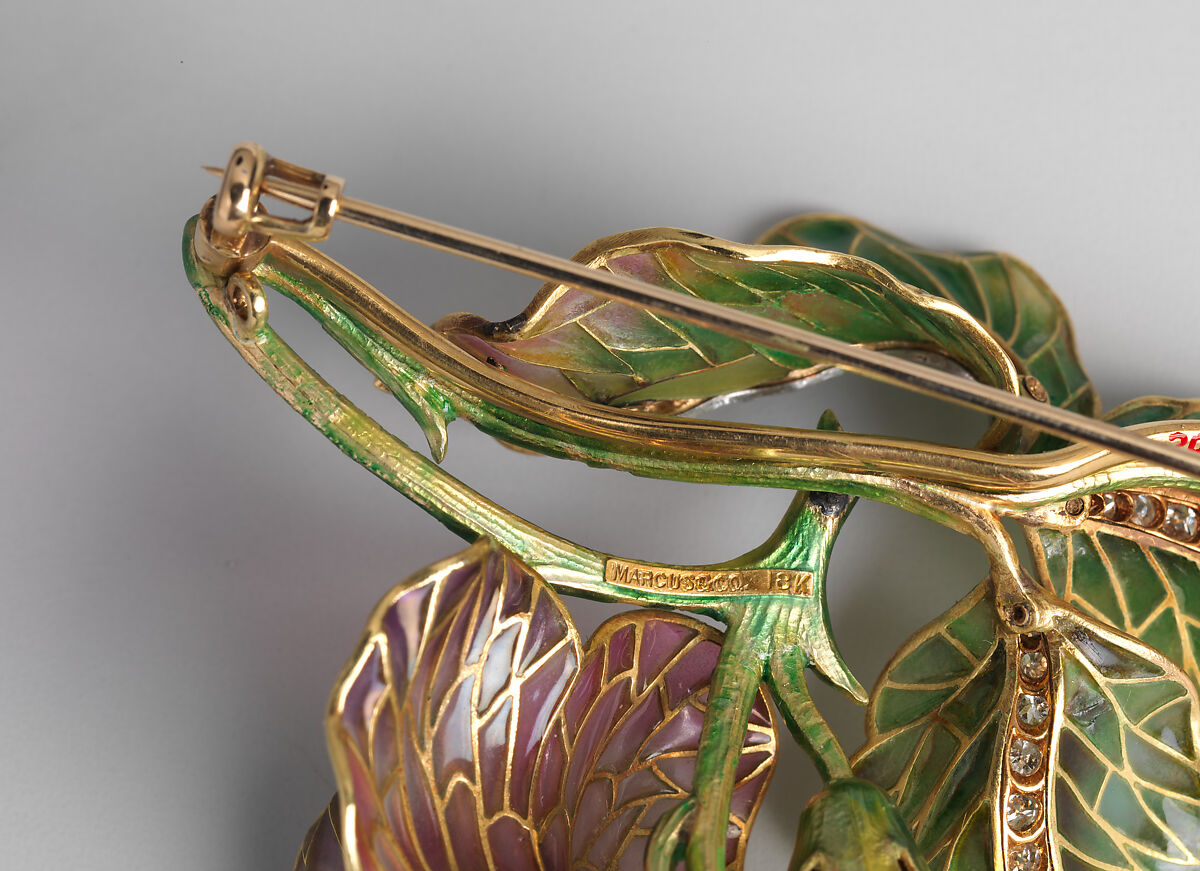
Behind every finished jewel lies a sequence of deliberate actions. Materials alone do not define a piece; it is the way they are shaped, assembled, and refined that gives jewellery its character. Understanding jewellery making techniques offers a deeper awareness of how design becomes tangible, and why certain pieces carry a distinct presence.
While styles may evolve, the techniques used to create jewellery form a continuous thread, linking historical craftsmanship to contemporary practice.

From structure to detail
Jewellery making techniques can be understood as a progression. A piece begins with form, moves through construction, and is ultimately defined by its surface and detail. Each stage builds upon the previous one, and decisions made early on continue to influence what follows.
This progression reveals that technique is not applied at the end, but considered throughout the entire process of creation.
Forming and shaping
Every piece begins with the transformation of raw material into form. Techniques such as forging, casting, fabrication, and raising determine the structure of a jewel and set its physical boundaries.
Whether metal is hammered into shape or cast into a mould, these methods define volume, proportion, and balance. They also establish the conditions for what is possible later: certain forms invite intricate detailing, while others rely on simplicity and restraint.

Joining and construction
Once individual elements exist, they must be brought together. Techniques such as soldering, riveting, and articulation allow separate components to function as a unified whole.
Much of this work remains unseen, yet it is essential. Construction determines not only how a piece holds together, but also how it moves, how it rests on the body, and how it endures over time.

Surface and texture
If structure defines the body of a jewel, surface defines its expression. Techniques such as engraving, matte finishing, and hammering shape how light interacts with the material.
Engraving introduces detail through finely controlled lines, while more specialised approaches such as bulino create tonal depth through minute marks. Matte finishes soften reflection, allowing form to take precedence over brilliance.
These subtle variations in surface treatment can transform the same material into entirely different visual experiences.
Stone setting
In many pieces, gemstones introduce an additional layer of complexity. Stone setting techniques determine how a stone is held in place and how it is perceived.
Prong settings allow light to pass freely, emphasising brilliance. Bezel settings frame the stone more fully, creating a sense of containment and protection. Pavé and channel settings, in turn, organise multiple stones into structured compositions.
Setting is therefore both functional and visual, balancing security with the desired effect.
Decorative and specialised jewellery making techniques
Some techniques go beyond structure and surface, adding layers of detail that often carry historical or regional significance.
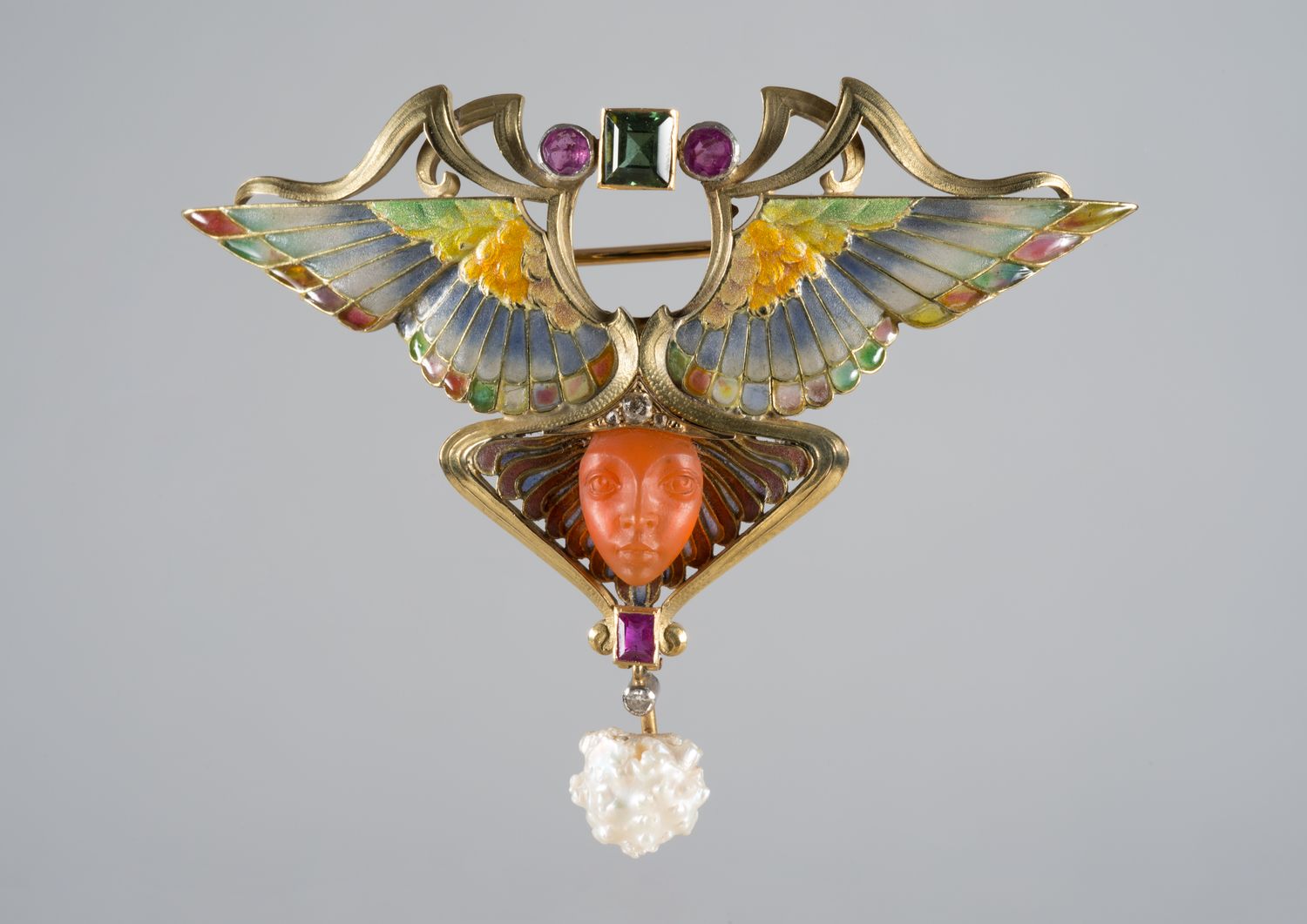
Enamelling introduces colour through fused glass. Filigree and granulation build intricate patterns from fine elements. Niello creates contrast by filling engraved lines with a darkened alloy.
These methods require a high level of precision and are often closely associated with specific traditions within jewellery making.
A foundation for further exploration
Jewellery making techniques form the foundation of craftsmanship. They reveal how materials respond to tools, how surfaces can be transformed, and how detail can alter perception.
Each category offers its own depth and complexity, inviting closer examination. By exploring these techniques individually, a clearer understanding emerges of the decisions that shape a jewel at every stage.
Because ultimately, it is through technique that an idea is not only realised, but refined into something enduring.


Leave a Reply