
Jewellery is often approached through materials, makers, or historical periods. Yet the physical form of each piece is equally important. The category of objects provides a way to consider jewellery in its most tangible sense. It invites a closer look at the many types of jewellery objects created and worn across time and cultures.

Familiar forms and unexpected discoveries
From the intimacy of a ring to the presence of an aigrette, each object carries its own history, function, and symbolism. Some pieces are made for daily wear. They accompany the rhythms of everyday life. Others are reserved for moments of ceremony or display.
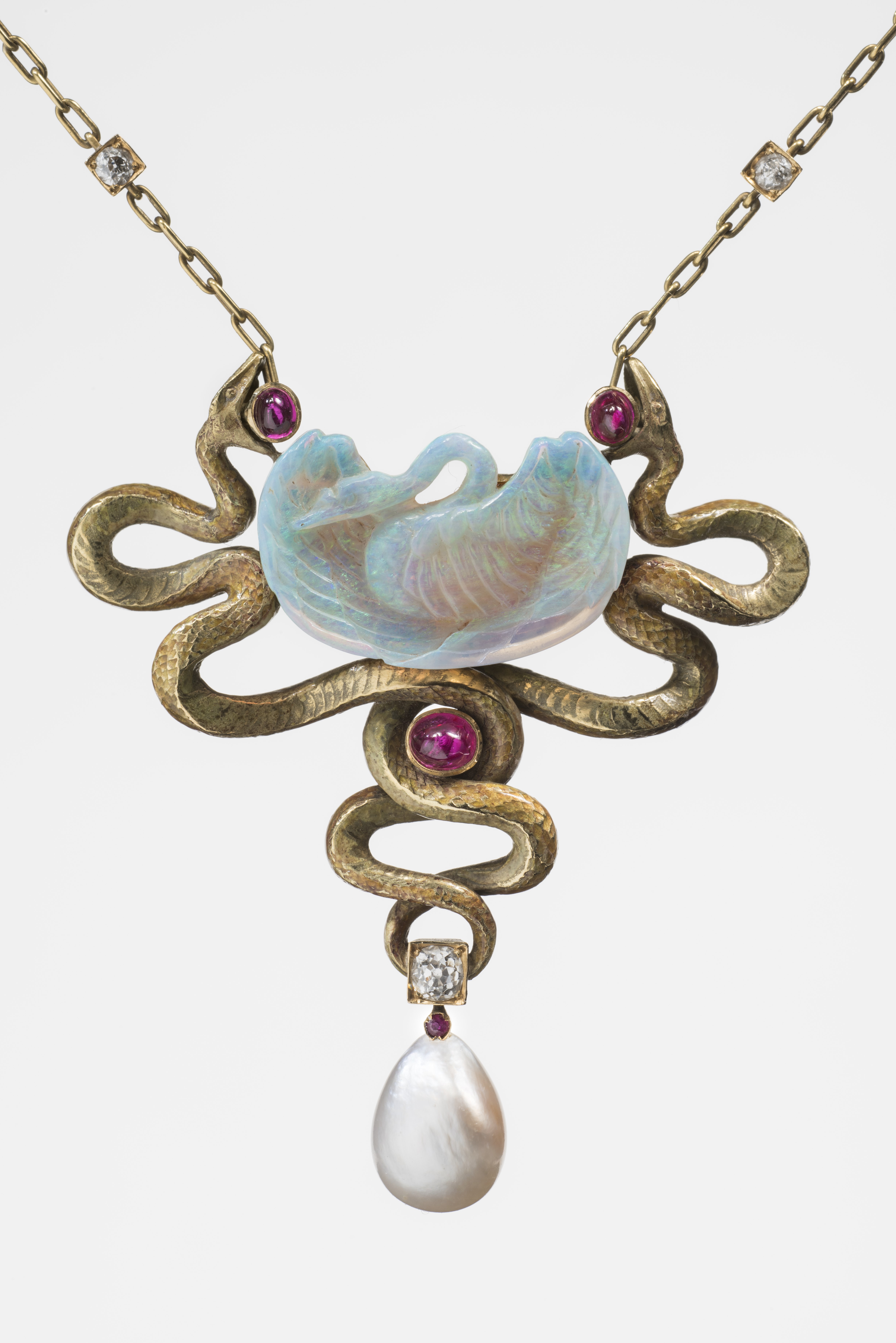
Brooches, necklaces, bracelets, and earrings are among the most familiar forms. Yet the world of jewellery extends far beyond these categories. The wide range of types of jewellery objects includes pomanders, chatelaines, tiaras, lockets, and hair ornaments. Together, they show how jewellery can be both practical and decorative.


Form and meaning
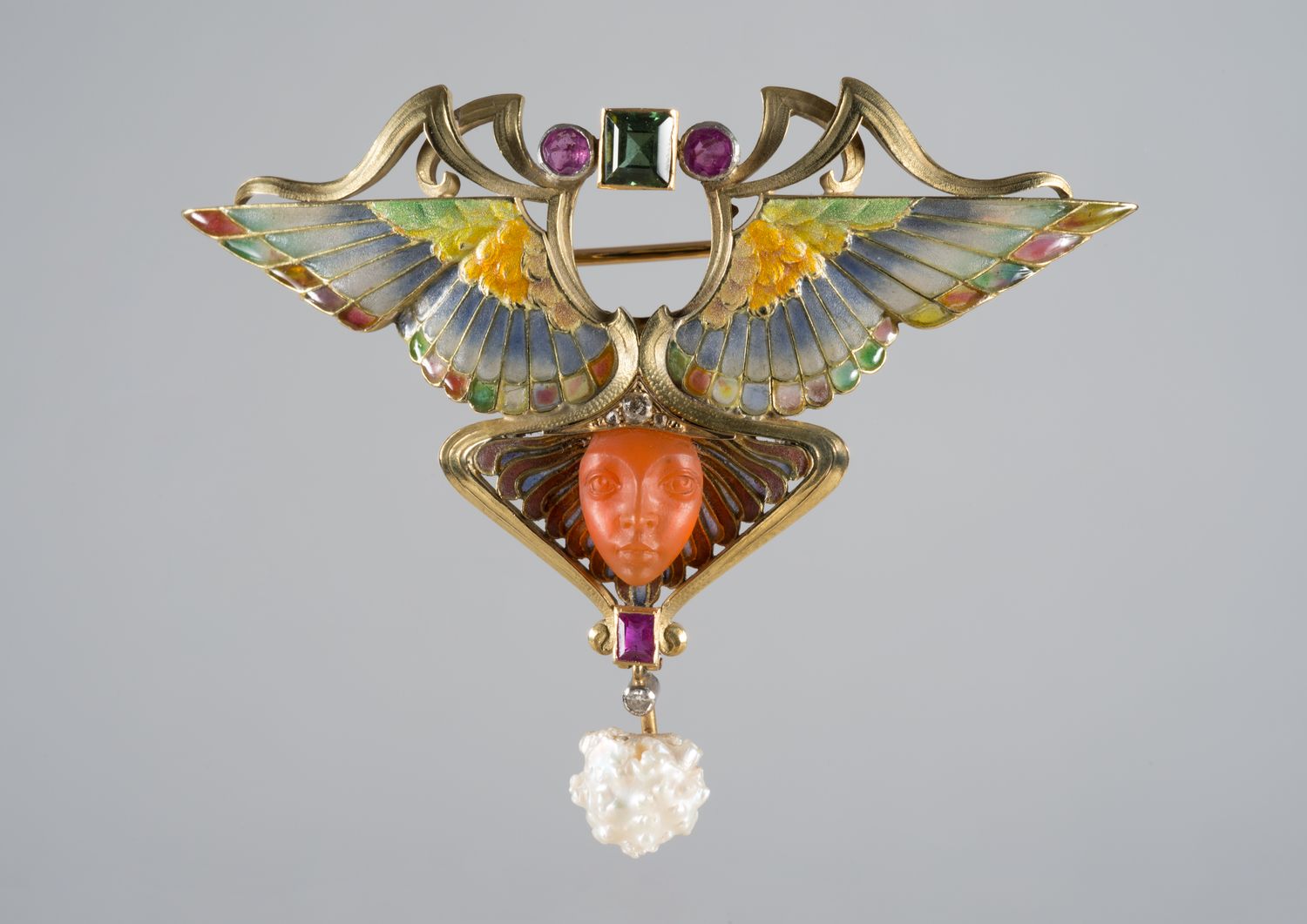
Considering jewellery through its object type highlights the relationship between form and meaning. A ring, often circular and without beginning or end, has long been linked to continuity and commitment. Brooches provide a surface for artistic expression. Designers use them to explore narrative, symbolism, and sculptural form.
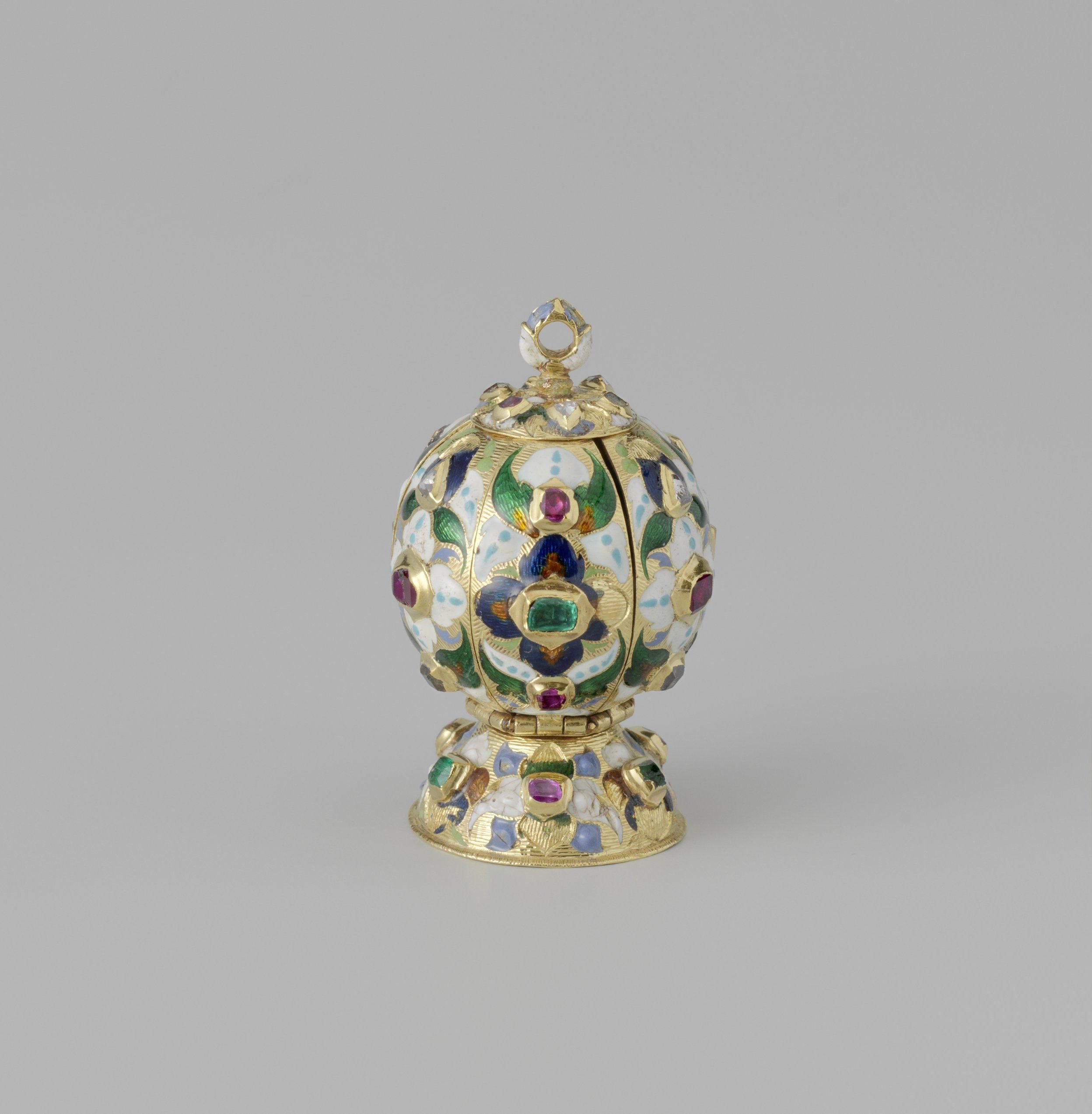
Aigrettes and tiaras, worn in the hair, evoke status and ceremony. Pomanders once combined adornment with function. They held fragrant substances believed to purify the air.

Jewellery and the body
These objects also reveal how jewellery interacts with the body. Placement on the hand, neck, or hair shapes how a piece is seen. It also shapes how it is experienced by the wearer. Each form responds to movement, light, and gesture. In this way, jewellery communicates identity, memory, and social meaning.
Types of jewellery objects: A framework for exploration
This category brings together a wide range of types of jewellery objects. It forms a framework for exploring their distinct characteristics and histories. Studying objects in this way reveals both their diversity and a shared human desire. Jewellery allows people to adorn, signify, and remember.
Whether modest or elaborate, functional or decorative, each object is a unique entry point into the world of jewellery.


Leave a Reply